
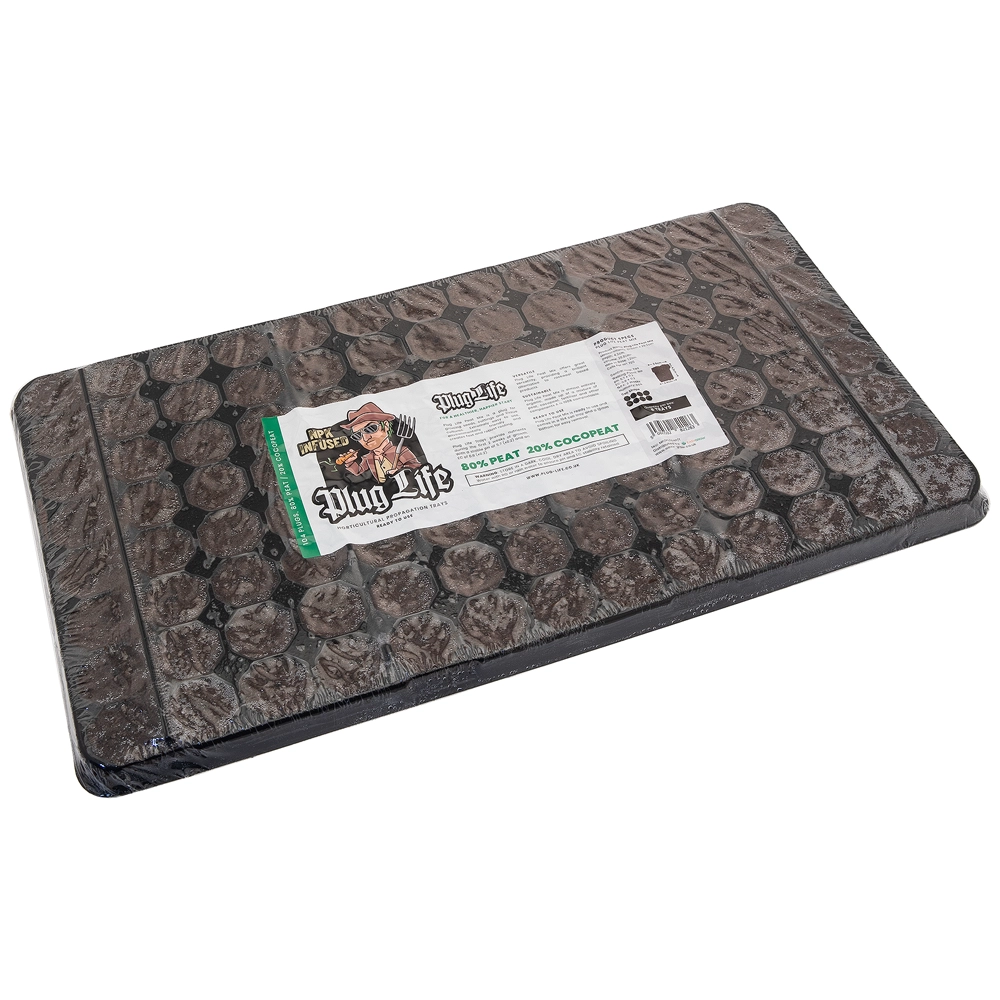
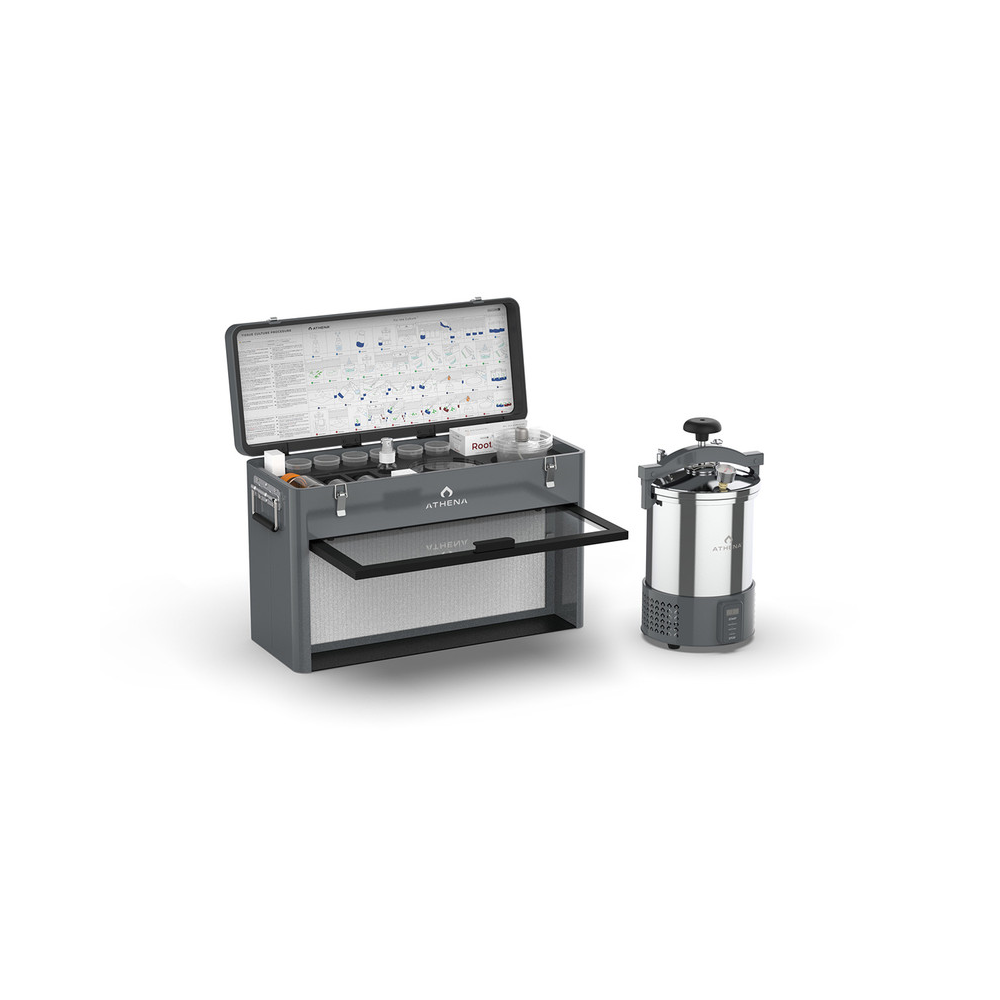
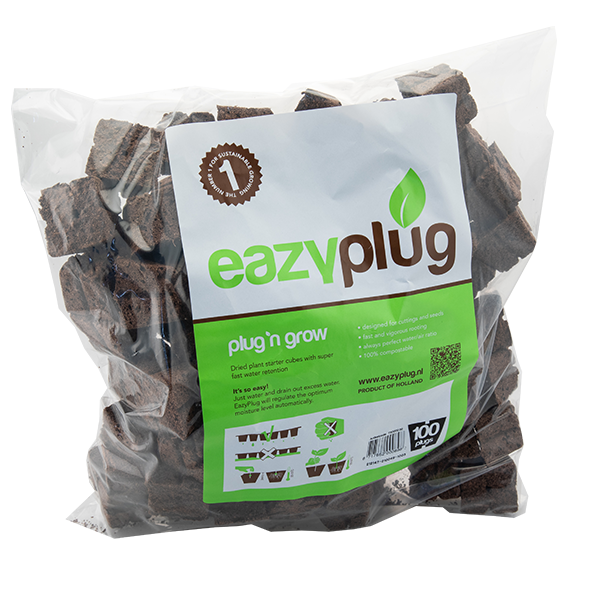
Propagate With Propagation Kits & Systems From Progrow Hydroponics. Containing everything from expanding coco coir plugs to tissue culture kits. You’ll also find our array of heated and unheated propagators and accessories. Industry standard names such as Garland, Jiffy, Plug for life, root riot and many more represent familiar quality products. Propagation is a key stage of development for all plants, the better start the better resultant yield. Correct development stems from optimal consistent environmental conditions. Wether your chosen media is rockwool, coco fibre, soil or 60/40 mix we have the starting solution for your seeds or cuttings. With the addition of accessories such as sterile scalpels, rooting gels and temperature controlled propagators. Every requirement is covered by this extensive range.
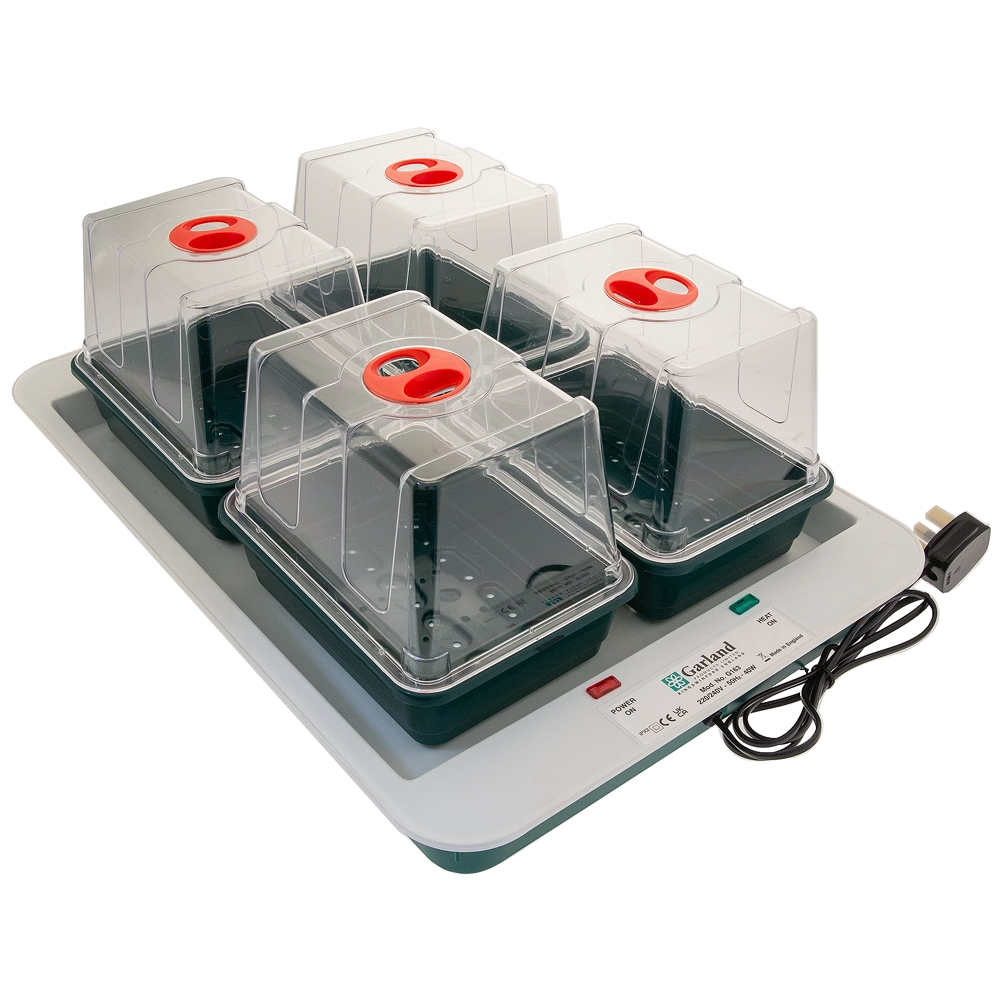
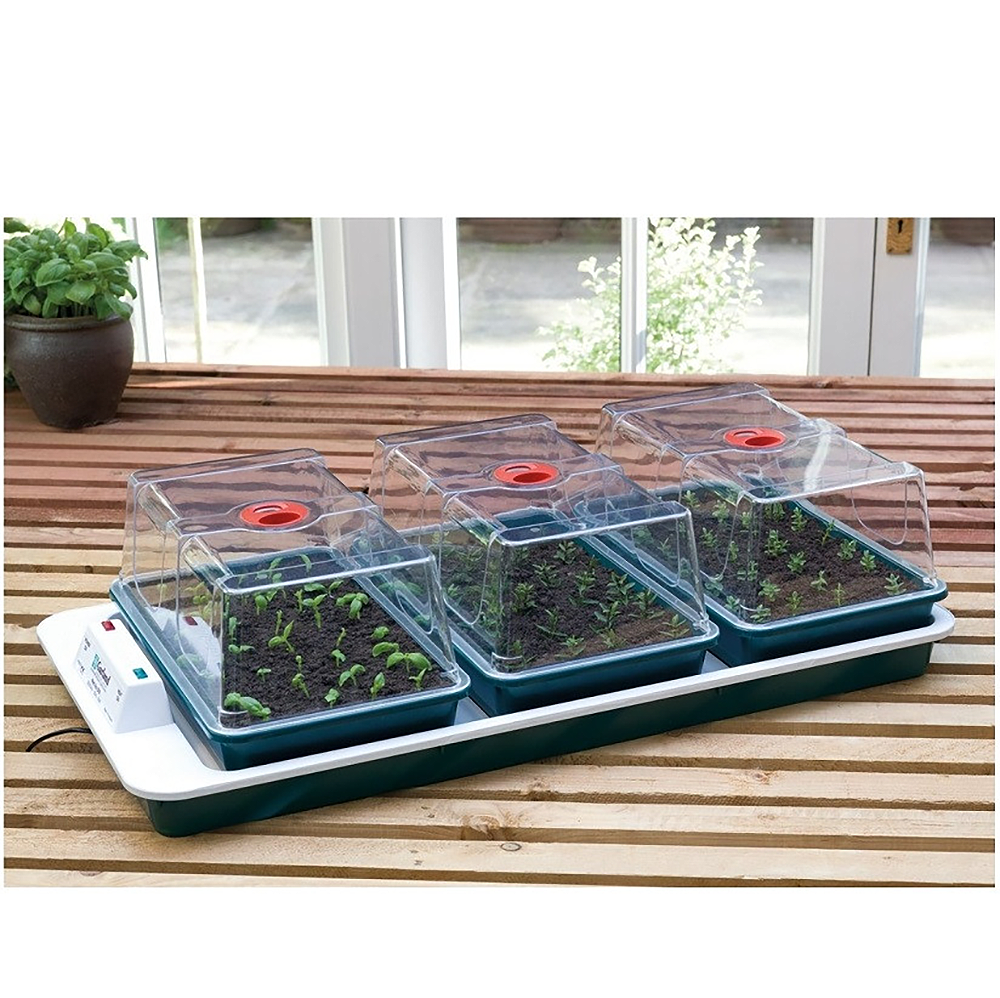
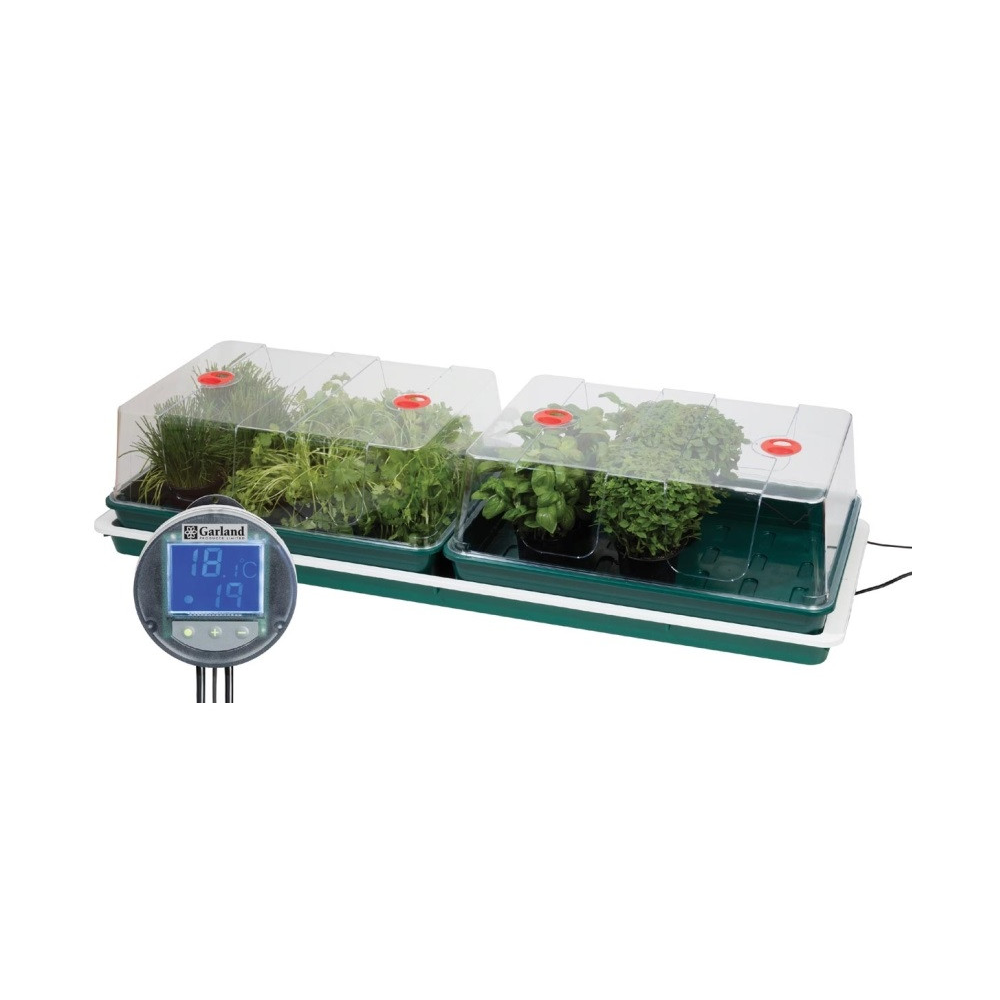
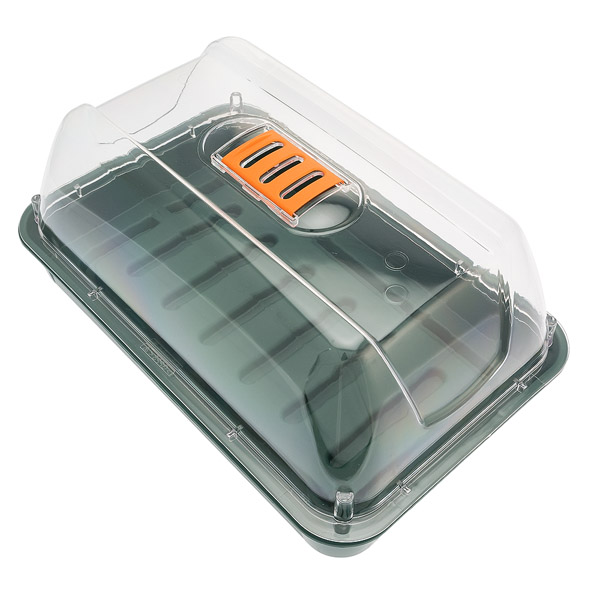
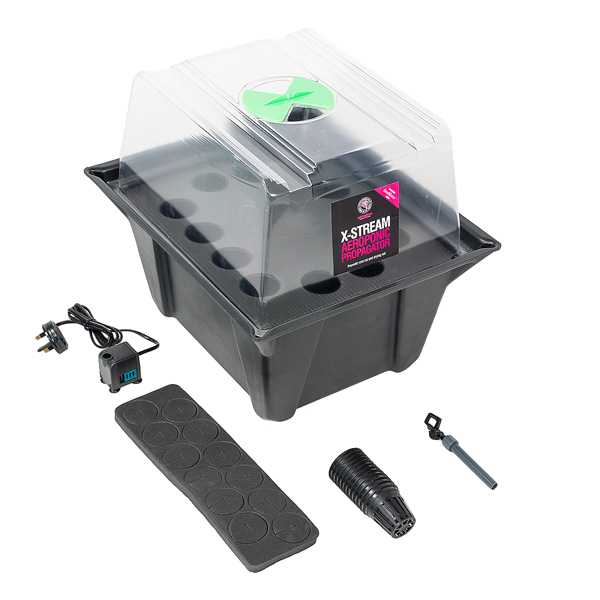
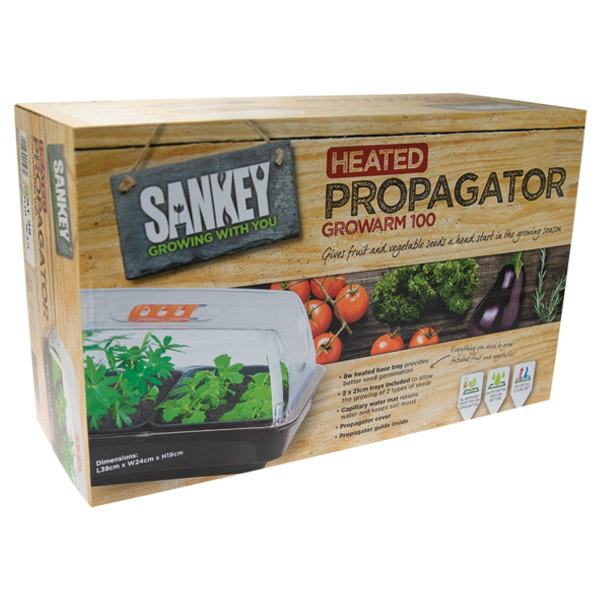
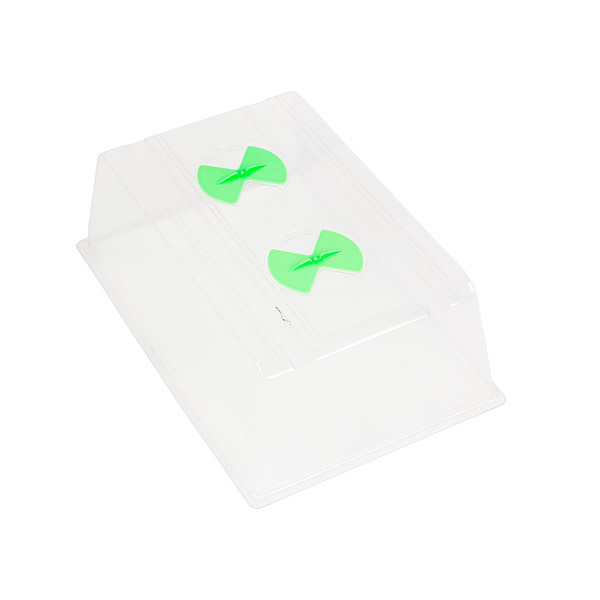
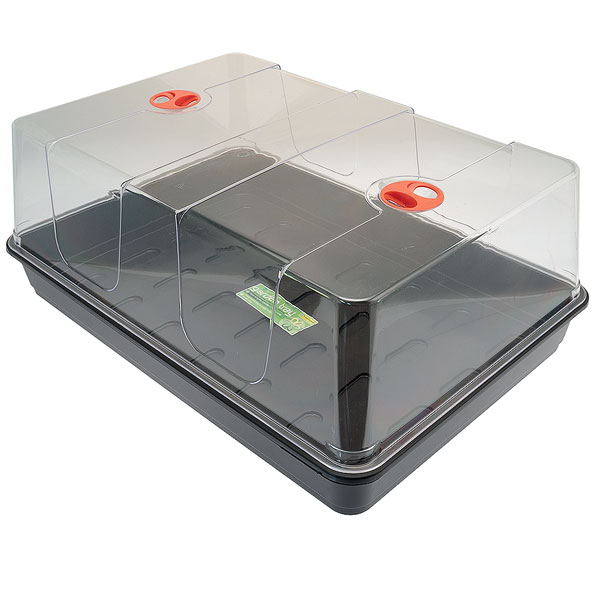
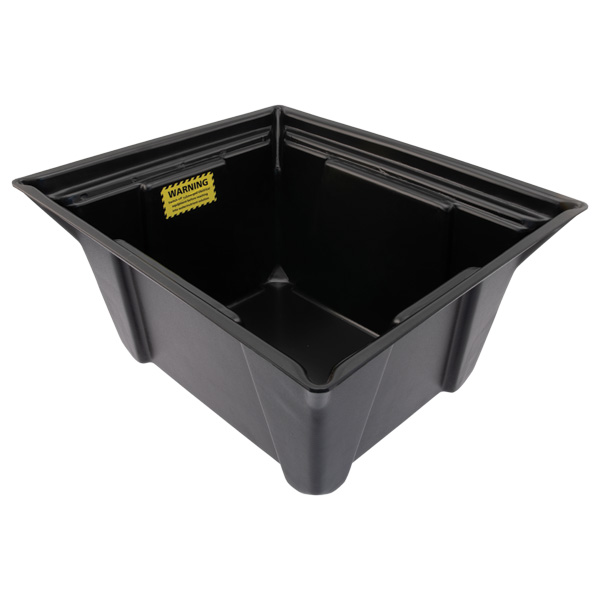
Propagation in hydroponics requires a high humidity environment to germinate seeds and cuttings. This is provided by either a heated or unheated propagator. You will also find aeroponic propagators in this section, these propagators are particularly efficient with cuttings, signs of rooting showing within a matter of days for most soft wood cuttings.
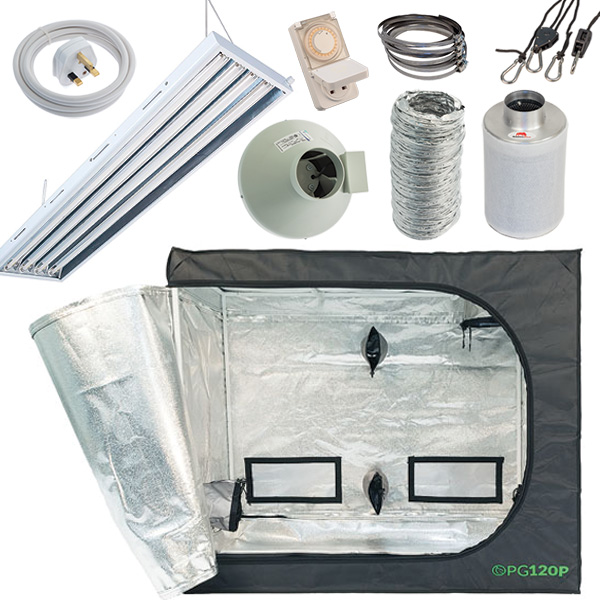
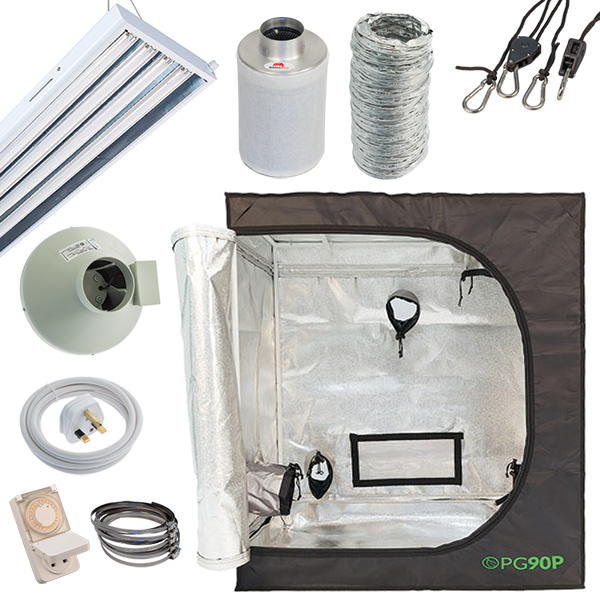
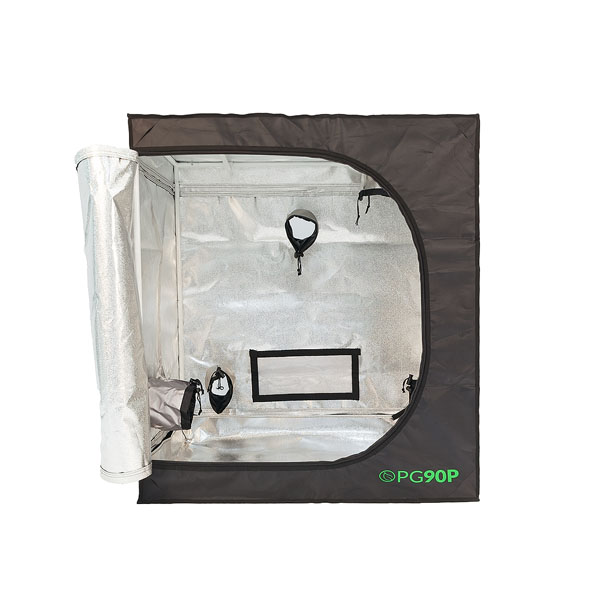
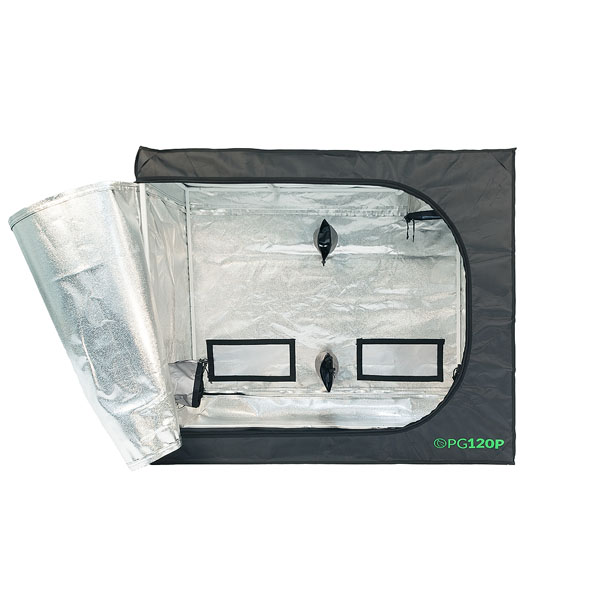
If you intend to grow multiple crops efficiently you will require a small area to be able to germinate seeds, keep a mother plant, and strike cuttings. Progrow provide an excellent solution to this with our Pro Growroom Propagation tents PG90P and the PG120P, if your budget does not stretch to a tent you will need a relatively small area to house a fluorescent lighting system suited to a Propagator or your choosing. The size of Propagator you choose will largely be based upon the amount of plants you intend to grow for each crop, for example a 24 pack of either Cultilene rockwool SBS or Root Riot propagation cubes will fit neatly into a medium unheated propagator. If you are confident you are able to maintain an even temperature where you house your propagator then an unheated propagator may be best suited. Heated propagators have the advantage of providing a constant even temperature, useful for propagation during the colder months, we always advise a layer of media in these propagators to prevent the media drying too quickly. Progrow Supply unheated and heated propagators from leading Horticultural manufacturer Sankey, they are made of quality plastic that is not brittle and are supplied with vents to control your humidity.
Aeroponic propagators have always been an excellent solution to striking cuttings fast, providing air and misted nutrient solution to the developing cutting. As a company our first experience of using an Aeroponic propagator came from using the excellent Rainforest 72 from General Hydroponics Europe. The strap line developing from selling these excellent propagators being; ʼItʼll root a match stick in three days!ʼ so good is their ability to root cuttings. Progrow now offer our customers affordable Aeroponic propagators from Nutriculture in the shape of their 12, 20, 40 and 120 site X-Steam range. Many customers report 100% success rate using these propagators that continually
mist the cutting that is suspended in a small mesh pot with a neoprene disc or clay pebbles, cuttings are usually ready to transplant between 10-14 days.
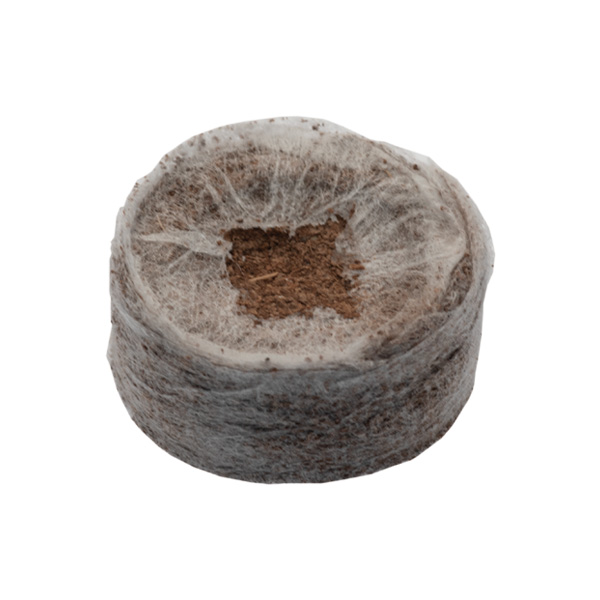
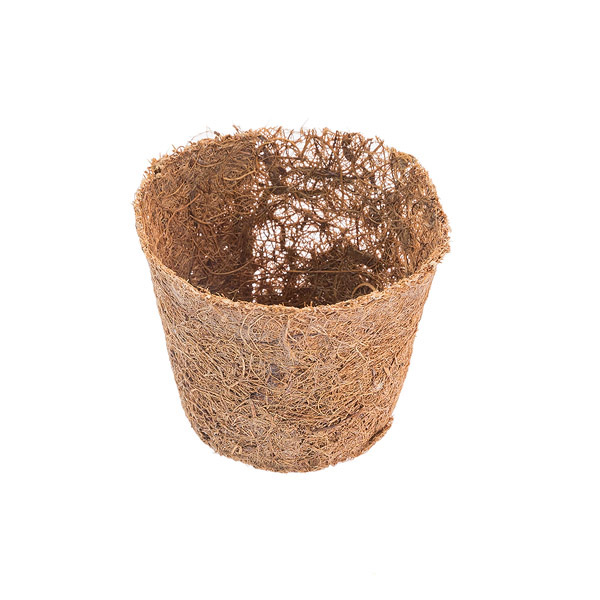
Progrow provide all the spare parts and accessories you will need for any of the propagators we sell. You will also find within this section all the bits and pieces you will need to take cuttings successfully, from the industry standard rooting gel Clonex, sterile scalpels, Expanding coco fibre coir plug and other Propagation specific grow cubes. We have also included within this section two discounted propagation kits that provide propagation lighting and ventilation suited to either PG90P or PG120P propagation tent.

